
Laying Over vs Tearing Off: The Honest Answer — What to Expect
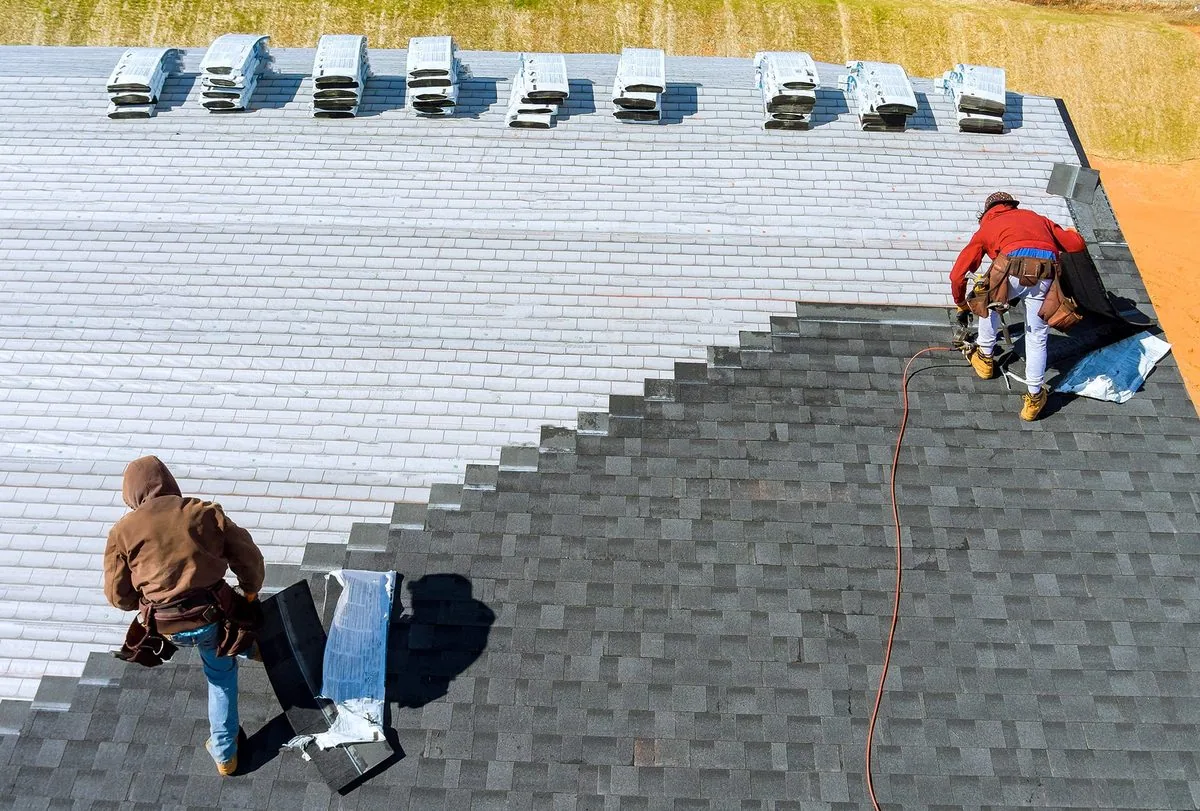
How an asphalt shingle roof compares in Sherman Oaks once service life is counted, rather than on day one.
This comes down to a choice between two things that look similar on a quote and behave very differently on a roof. The difference rarely shows on the day the work is finished; it shows around year eight, which is why it is worth understanding before signing rather than after.
What actually matters
Asphalt is the most common covering in Los Angeles and the one that ages most visibly. It fails from the top down: the granules that protect the mat wash into the gutters, the asphalt binder oxidises without them, and the mat goes brittle. Once shingles crack when you lift them rather than flexing, the roof is at the end of its service life whatever the warranty says.
The difference that shows up later
Warranty length and service life are different things and are routinely confused. A thirty-year shingle is a manufacturing warranty against defects, tested in a laboratory and prorated so heavily that the payout after fifteen years is negligible. What it is not is a promise of thirty years on a west-facing slope in Sherman Oaks. A heavier laminate mat genuinely does resist thermal cycling better than a three-tab, and the difference shows up around year twelve — but the honest number for this climate is closer to half what the wrapper says.
How Los Angeles settles it
Deck temperatures in Sherman Oaks drive granule loss hard, and take roughly five years off the same product installed on a shaded slope. Up in the canyons the nights run cooler, but the tree cover keeps shaded valleys and north-facing slopes damp far longer, which holds water against the mat and does its own damage. The same shingle, ten miles apart, has two different lifespans.
What we look at on an inspection
- Granule accumulation in gutters and at downspout outlets
- Sealant strip adhesion along the leading edge of each course
- Nail pops lifting shingles from beneath
- Cracked or curled shingles at valleys, hips and around penetrations
- Flashing at chimneys, skylights and wall abutments
- Deck movement underfoot, which means sheathing rather than covering
- Attic ventilation balance between intake and exhaust
Common questions
Which is better?
Neither, in the abstract. One suits roofs that drain imperfectly and one does not, and which roof you have decides it.
Can I change my mind later?
Partly. Some systems can be recoated or overlaid; others commit you to a tear-off next time. Worth asking before rather than after.
The honest summary
A surprising number of reported roof leaks turn out to be condensation from a poorly ventilated attic rather than water coming through the covering. It shows as staining under the deck with no obvious entry point above it. Ventilation gets checked before anything is quoted, because replacing a roof does not fix it.
Free inspection, drone photography where access is difficult, and a written estimate with deck repair priced per sheet. No obligation.
More on Shingle Roofing
- Choosing a Shingle for Sherman Oaks UV Load — Quick ReferenceShingle Roofing
- Ventilation: The Leak That Is Not a Leak — Long-Term ViewShingle Roofing
- Storm-Lifted Tabs After a Sherman Oaks Event — Materials ComparedShingle Roofing
- What a Shingle Re-Roof Costs in LA — Inspection NotesShingle Roofing