
Ventilation: The Leak That Is Not a Leak — Long-Term View
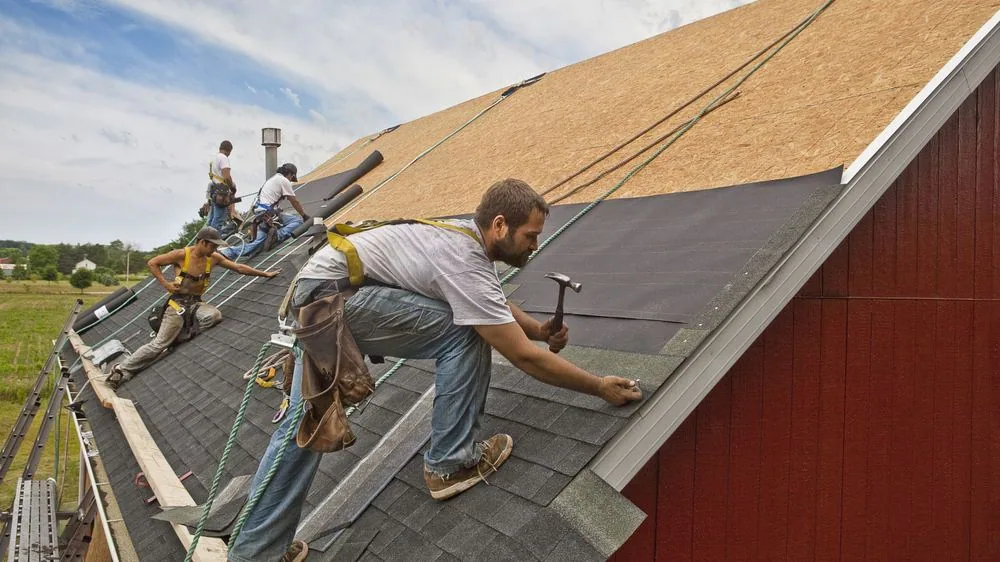
What goes wrong first on an asphalt shingle roof in Sherman Oaks, and the signs that show up years ahead.
Understanding why something fails is more useful than a list of symptoms, because the same symptom has several causes and they need different work. Here is what actually goes wrong with an asphalt shingle roof in Sherman Oaks, and what it looks like from the ground before it becomes a ceiling stain.
What actually goes wrong
Asphalt ages from the top down. The granules on the surface are the sunscreen; once ultraviolet has stripped enough of them the mat underneath goes brittle, curls at the edges and starts to crack. Granules in the gutter are the earliest honest signal, and they show up years before a leak does.
Why it happens when it does
The cause and the symptom are rarely in the same place. Water tracks, so an entry point and a ceiling stain can be several feet apart. The starter course and the drip edge are where cheap work shows first. A starter strip laid the wrong way round, or an eave with no metal under the first course, will wick water back into the fascia no matter how good the shingles above it are. Catching it at that stage is the difference between a repair and a replacement.
How Sherman Oaks makes it worse
Sherman Oaks is open, dry and exposed, and the wind is what does the damage. Sherman Oaks events come down off the ridge with a good deal more force than the forecast suggests, carrying decomposed granite dust that works into every lap and scours the surface of a shingle or a coating. Larger lots with ranch-style single-storey homes, long low roof runs and plenty of outbuildings, all of it exposed on the windward side.
What we look at on an inspection
- Granule loss across the field, and how much is sitting in the gutters
- Curling, cupping or cracking, particularly on the sun-facing slopes
- Nail placement and whether shingles have begun to back off the deck
- Sherman Oaks construction, and whether it is woven, closed-cut or metal-lined
- Flashing at every wall, chimney, skylight and pipe penetration
- Deck condition underfoot, checked by walking rather than by eye
- Attic ventilation, both intake at the eave and exhaust at the ridge
Common questions
Can this be repaired or does it need replacing?
It depends whether the cause is localised or systemic. A failed penetration is a repair; a covering that has gone brittle across the whole roof is not.
How urgent is it?
Anything open before the rains is urgent. Anything cosmetic can wait for a dry-season schedule, which is also when it is cheaper.
The honest summary
Shingle roofs rarely fail suddenly. They give years of warning through granule loss and edge curl, and the difference between a planned replacement and an emergency one is usually whether anybody was looking. In Sherman Oaks the thing to watch is perimeter and edge fixing, ridge attachment, and surface wear from wind-blown grit.
Free inspection, drone photography where access is difficult, and a written estimate with deck repair priced per sheet. No obligation.