
Why Tile Underlayment Fails Before the Tile: Laurel Canyon Edition
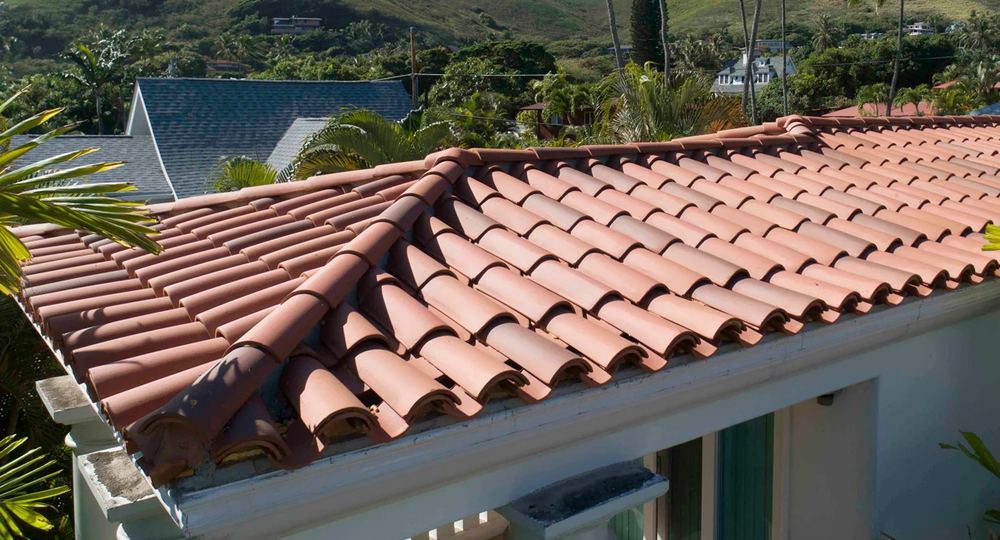
What goes wrong first on a tile roof in Laurel Canyon, and how to catch it while it is cheap.
Understanding why something fails is more useful than a list of symptoms, because the same symptom has several causes and they need different work. Here is what actually goes wrong with a tile roof in Laurel Canyon, and what it looks like from the ground before it becomes a ceiling stain.
What actually goes wrong
What fails on a tile roof is almost never the tile. Felt underlayment bakes under the tile for two decades, goes brittle, tears at the fastener holes and stops shedding water. From the street the roof looks perfect right up to the day a ceiling stains.
Why it happens when it does
The cause and the symptom are rarely in the same place. Water tracks, so an entry point and a ceiling stain can be several feet apart. Bird stops, eave closures and the mortar at the ridge are what most quotes leave out. Leave them off and you have an open roof edge that invites nesting, debris and, in the fire zones, embers. Catching it at that stage is the difference between a repair and a replacement.
How Laurel Canyon makes it worse
Pacoima sits on the flat below Beverly Glen, where the ground is level, the summers are long and hot, and the Sherman Oaks wind runs straight through with nothing to slow it. Those wind events are the single most common reason we get storm calls out of this area. Older single-storey stock alongside newer infill, and the failure patterns on each have almost nothing in common.
What we look at on an inspection
- Underlayment age and condition, checked by lifting tile rather than guessing
- Broken, slipped and previously face-nailed tiles across the field
- Batten condition and fixing, particularly at the eave course
- Sherman Oaks metal, which usually corrodes before the underlayment fails
- Ridge and hip mortar or mechanical fixing, and any movement in it
- Bird stops and eave closures, present and intact
- Flashing at walls, chimneys and every penetration through the field
Common questions
The leak only shows up sometimes. Why?
Because water tracks. Entry point and stain point are frequently several feet apart, and wind direction decides whether a given storm drives water far enough to show.
Can this be repaired or does it need replacing?
It depends whether the cause is localised or systemic. A failed penetration is a repair; a covering that has gone brittle across the whole roof is not.
The honest summary
Judge a tile roof by its underlayment, not its tile. A roof that looks flawless from the driveway can be two winters from a ceiling repair, and the only way to know is to lift a few tiles and look. In Laurel Canyon the thing to watch is wind-side edge detail, ridge fixing, and how much the drainage is carrying.
Free inspection, drone photography where access is difficult, and a written estimate with deck repair priced per sheet. No obligation.