
Granule Loss: When to Worry — Homeowner Checklist
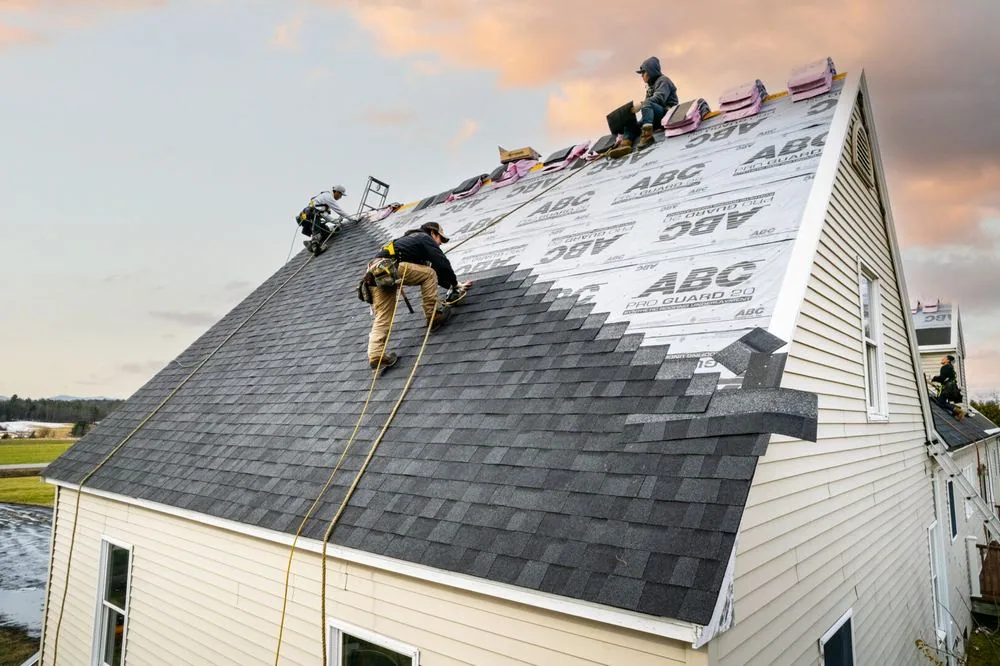
The short list that adds years to an asphalt shingle roof in Sherman Oaks corridor, and the jobs that are pure theatre.
Roof maintenance in Sherman Oaks corridor is not complicated, but it is specific, and the parts people skip are the parts that matter. This is what is worth doing on an asphalt shingle roof, and what is safe to leave alone.
What actually matters
A shingle roof is a water-shedding system, not a waterproof one. Every course relies on the course above it and on the underlayment beneath, so the covering and the layer under it fail together and have to be judged together. Maintenance on it is therefore about the parts that move, drain or seal, not the parts that merely look worn.
The detail that is usually left out
Timing matters more than frequency. One visit in late autumn, before the first rain, catches the things that actually matter. The starter course and the drip edge are where cheap work shows first. A starter strip laid the wrong way round, or an eave with no metal under the first course, will wick water back into the fascia no matter how good the shingles above it are. None of it is complicated, and all of it is cheaper than the call it prevents.
What is specific to Sherman Oaks corridor
In Montrose the buildings sit close together along the village streets, roofs are often overlooked by taller neighbours, and access is genuinely difficult on a lot of properties. Sustained heat and ultraviolet do the material damage; the density decides how the work has to be scheduled and staged. Older mixed-use is common along the main street, usually low-slope behind a parapet and often carrying several decades of layered repairs.
The full inspection list
- Granule loss across the field, and how much is sitting in the gutters
- Curling, cupping or cracking, particularly on the sun-facing slopes
- Nail placement and whether shingles have begun to back off the deck
- Sherman Oaks construction, and whether it is woven, closed-cut or metal-lined
- Flashing at every wall, chimney, skylight and pipe penetration
- Deck condition underfoot, checked by walking rather than by eye
- Attic ventilation, both intake at the eave and exhaust at the ridge
Common questions
How often should this be looked at?
Twice a year is ideal, and once is enough if you pick the right time: late autumn, before the first rain, catches the things that matter.
Can I do any of it myself?
The ground-level checks, yes. Anything that requires being on the roof is worth handing over, both for your safety and because damage caused by walking on a roof is a common and avoidable expense.
The honest summary
Shingle roofs rarely fail suddenly. They give years of warning through granule loss and edge curl, and the difference between a planned replacement and an emergency one is usually whether anybody was looking. In Sherman Oaks corridor the thing to watch is parapet and counterflashing detail, what previous repairs have left behind, and safe access for the work itself.
Free inspection, drone photography where access is difficult, and a written estimate with deck repair priced per sheet. No obligation.