
Torch Down vs TPO for a Sherman Oaks Flat Roof — Myths and Facts
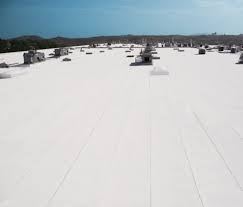
How a flat roof compares in Sherman Oaks once service life is counted, rather than on day one.
This comes down to a choice between two things that look similar on a quote and behave very differently on a roof. The difference rarely shows on the day the work is finished; it shows around year eight, which is why it is worth understanding before signing rather than after.
What actually matters
A flat roof in Los Angeles sits bone dry for eight or nine months and then takes an entire season of rainfall in a handful of storms. Drainage that looked adequate in July is silted up by December, which is why the majority of emergency calls arrive in the first storm of the season rather than the worst one.
The difference that shows up later
Flat roofs are not flat. They are built with fall, and the fall is what keeps them alive. Water standing more than forty-eight hours after rain is a defect, not a quirk of the building: it adds load, it accelerates breakdown of the membrane, and in this climate it leaves a mineral crust that holds the next rainfall in place. Establishing proper fall with tapered insulation is the single most valuable thing that can be done to a flat roof here, and it is the thing most often left out of a cheap quote.
How Los Angeles settles it
The concentrated rainfall pattern also means blockages go unnoticed. A drain that has been dry since April collects eight months of grit, leaves and roof debris, and nobody looks at it until water is coming through a ceiling. Twenty minutes clearing drains and scuppers in November prevents most of the calls taken in December.
What we look at on an inspection
- Fall, and any area holding water beyond forty-eight hours
- Drain and scupper clearance, including under any strainer
- Membrane condition across the field, not only at the edges
- Flashing at every penetration and curb
- Parapet termination and counterflashing
- Insulation moisture, by probe rather than by eye
- Evidence and quality of previous patching
Common questions
Which is better?
Neither, in the abstract. One suits roofs that drain imperfectly and one does not, and which roof you have decides it.
Can I change my mind later?
Partly. Some systems can be recoated or overlaid; others commit you to a tear-off next time. Worth asking before rather than after.
The honest summary
Ponding, blocked drainage and failed penetration detailing account for nearly every flat roof call. If a quote does not mention drainage, it is a quote to recover the same problem in a new material.
Free inspection, drone photography where access is difficult, and a written estimate with deck repair priced per sheet. No obligation.