
Cool-Rated Shingles and Sherman Oaks Attic Heat — Myths and Facts
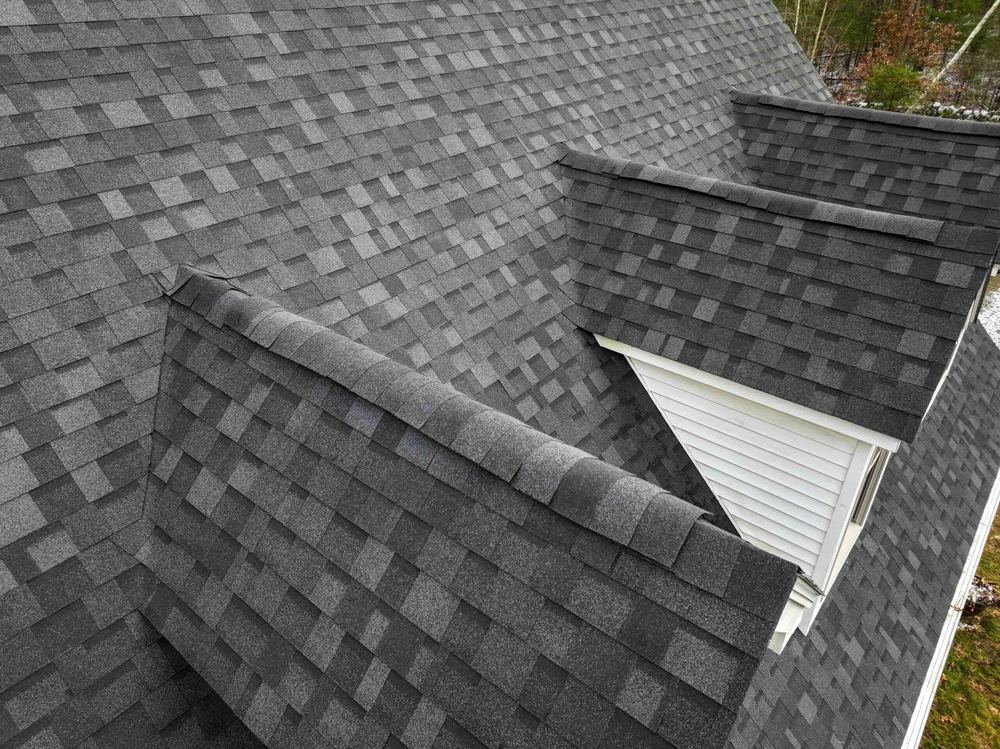
What you can check on an asphalt shingle roof in Sherman Oaks from the ground, safely, in ten minutes.
You can learn a lot about a roof without going anywhere near it, and none of the checks worth doing require climbing. This is what to look at on an asphalt shingle roof in Sherman Oaks, safely, from the ground.
What you can check yourself
A shingle roof is a water-shedding system, not a waterproof one. Every course relies on the course above it and on the underlayment beneath, so the covering and the layer under it fail together and have to be judged together.
What to leave alone
Stay on the ground and use the attic. Binoculars from the driveway and a torch in the roof space find nearly everything worth finding. The starter course and the drip edge are where cheap work shows first. A starter strip laid the wrong way round, or an eave with no metal under the first course, will wick water back into the fascia no matter how good the shingles above it are. As soon as you find something you cannot explain, stop looking and get it assessed.
What is specific to Sherman Oaks
Summer is the problem here. Sherman Oaks sits inland at the foot of the mountains with nothing to moderate it, so a roof surface that reads ninety degrees at the coast is well past a hundred and fifty on Foothill by mid-afternoon, and it holds that heat for weeks. Everything on the roof expands into it and contracts again overnight, and that daily movement, not the peak temperature, is what opens laps and backs fasteners out. Much of Sherman Oaks went up between the 1950s and the 1970s, which usually means original decking, ventilation that was never sized for this much heat, and often a layer somebody roofed straight over rather than tearing off.
What we look at on an inspection
- Granule loss across the field, and how much is sitting in the gutters
- Curling, cupping or cracking, particularly on the sun-facing slopes
- Nail placement and whether shingles have begun to back off the deck
- Sherman Oaks construction, and whether it is woven, closed-cut or metal-lined
- Flashing at every wall, chimney, skylight and pipe penetration
- Deck condition underfoot, checked by walking rather than by eye
- Attic ventilation, both intake at the eave and exhaust at the ridge
Common questions
Is it safe to get on my own roof?
Generally no, and it is worth being blunt about it. Falls are the most common serious injury in this trade, and walking on a roof can damage the covering.
What can I check from inside?
A great deal. The attic shows staining, daylight through the deck and ventilation problems long before anything appears on a ceiling.
The honest summary
Shingle roofs rarely fail suddenly. They give years of warning through granule loss and edge curl, and the difference between a planned replacement and an emergency one is usually whether anybody was looking. In Sherman Oaks the thing to watch is attic temperature and intake ventilation, because a Sherman Oaks attic that cannot breathe cooks the underside of the roof as hard as the sun cooks the top.
Free inspection, drone photography where access is difficult, and a written estimate with deck repair priced per sheet. No obligation.
More on Shingle Roofing
- Laying Over vs Tearing Off: The Honest Answer — What Changed This YearShingle Roofing
- Choosing a Shingle for Sherman Oaks Village UV Load — Signs to WatchShingle Roofing
- What a Shingle Re-Roof Costs in Sherman Oaks — Contractor PerspectiveShingle Roofing
- Cool-Rated Shingles and Toluca Lake Attic Heat — Costs and TimelinesShingle Roofing