
Matching Discontinued Tile Profiles in Sherman Oaks — What to Expect
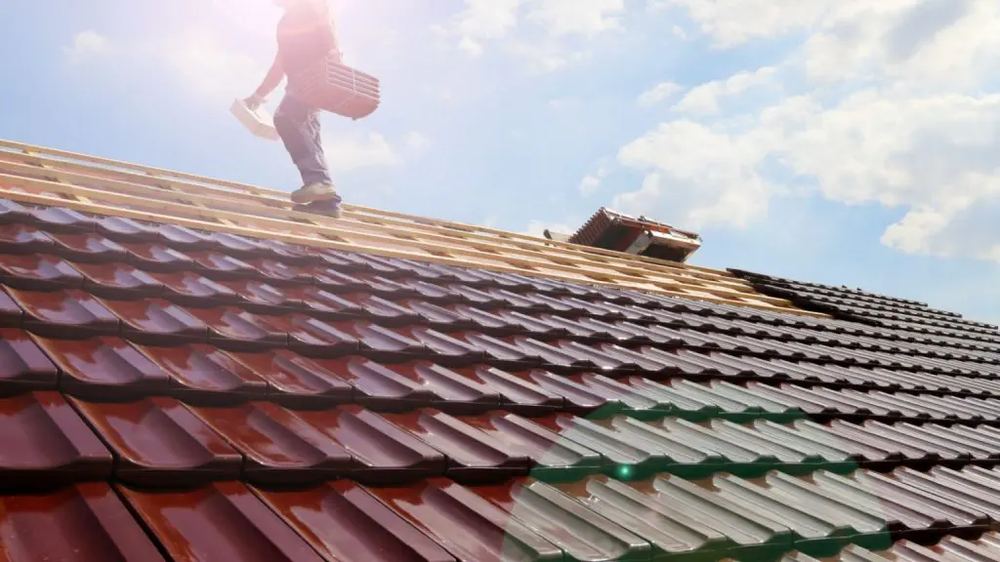
When to schedule work on a tile roof in Sherman Oaks, and what waiting actually costs.
What follows is the practical version — what actually matters on tile roofing in Sherman Oaks, what we look at when we are on a roof, and the parts that are usually left out of a sales conversation.
What actually matters
Clay and concrete tile will outlast the person who buys it. What fails is the felt underneath. That is the single most useful thing to understand about a tile roof, because it explains why a roof that looks perfect from the street can be leaking, and why the quote is for labour and underlayment rather than for new tile.
The detail that is usually left out
Thirty-pound felt baking under clay for twenty years becomes brittle enough to crumble between finger and thumb. Once it has gone, the tile is decoration: it sheds the bulk of the water, the underlayment handles what gets past, and with nothing underneath the next storm finds the deck. A re-felt lifts and stacks the existing tile, strips the old underlayment, repairs whatever the deck needs, lays new membrane and relays the same tile. Modern synthetic underlayments last considerably longer than the felt they replace, which is why the second re-felt tends to be further away than the first.
How Sherman Oaks changes the answer
On hillside properties, seismic movement works tiles loose along hips and ridges, where the mortar bed cracks and lets water track sideways under the courses rather than down over them. In the older neighbourhoods the harder problem is matching a discontinued profile — an original barrel tile from the nineteen-twenties has no modern equivalent, and sourcing salvage is the single most common cause of delay on a tile job in this city.
What we look at on an inspection
- Underlayment condition at eave, valley and every penetration
- Cracked, slipped or previously walked-on field tiles
- Mortar along hips and ridges, and whether it has parted from the tile
- Sherman Oaks metal for corrosion and for debris packed under the courses
- Batten condition where the tiles are batten-hung
- Framing deflection, because tile is heavy and older framing was not always sized for it
Common questions
How long does the work take?
Most residential roofs are two to four days weather permitting, longer where deck repair or a discontinued material is involved.
Do you handle the permit?
Yes. Re-roofing needs one in every jurisdiction we work in, and a contractor who suggests skipping it is telling you something useful about the rest of the job.
The honest summary
In most cases the tile is fine and only the underlayment has failed. Anyone quoting a full tear-off and new tile on a roof with sound tile is quoting the wrong job. Ask specifically whether your existing tile can be relaid, and how much of it is expected to break in handling — ten per cent is normal, and it should be priced up front.
Free inspection, drone photography where access is difficult, and a written estimate with deck repair priced per sheet. No obligation.