
Wind Damage: What Adjusters Look For — A Practical Guide
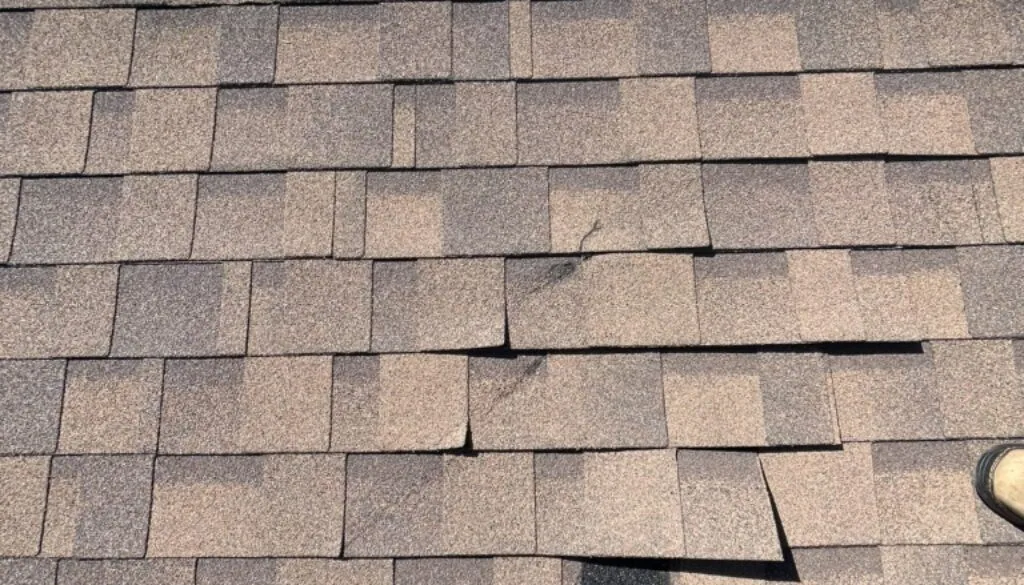
What has to be documented on a roof insurance claim in Sherman Oaks before you call a carrier, and in what order.
Knowing what to look at turns a vague worry into either a short list or an early night. Most of this can be done from the ground with binoculars and from inside the attic with a torch — no ladder, no risk, and it tells you whether to call anyone.
What actually matters
Roof claims are won or lost on documentation, and most of that documentation has to exist before an adjuster is on the roof. What you can show decides the outcome far more than what you can describe over the phone.
What you can check yourself
The distinction that matters is between damage from an event and deterioration over time. A policy covers the first and excludes the second, and a roof at the end of its life that loses shingles in a wind event sits in the middle. Dated photographs of the whole roof, a written inspection report, and a clear description of the weather on the day carry real weight. Actual cash value and replacement cost are also routinely confused: one pays the depreciated value of a fifteen-year-old roof, the other pays to put a new one on, and the difference on a full replacement is many thousands.
What is specific to Los Angeles
Wind claims here usually follow a Sherman Oaks event, and the damage is rarely where the ceiling stain appears. Sherman Oaks winds arrive from the north-east, which is the opposite direction to the way most roofs are lapped, so uplift concentrates on slopes that look sheltered. Photographing only the obvious spot loses the rest of the claim.
The full inspection list
- Every slope photographed with date stamps, before anything is touched
- Lifted, creased or missing material along ridges and leading edges
- Flashing displacement at chimneys, walls and skylights
- Granule accumulation at downspout outlets
- Debris impact marks, which date the event
- Interior evidence traced back to its actual entry point
Common questions
How often should I check?
Twice a year — before the rains and after the first real storm — plus once after any significant wind event.
Do I need to get on the roof?
No, and preferably not. Binoculars from the ground and a torch in the attic find most of it, and walking a roof causes damage of its own, particularly on tile.
The honest summary
We document what we find and explain it plainly. We will also say when damage looks like wear rather than an event — misrepresenting that is fraud, it is the homeowner who signs the claim, and no job is worth it.
Free inspection, drone photography where access is difficult, and a written estimate with deck repair priced per sheet. No obligation.