
Water Stains: Roof Leak or Condensation? — The Short Answer
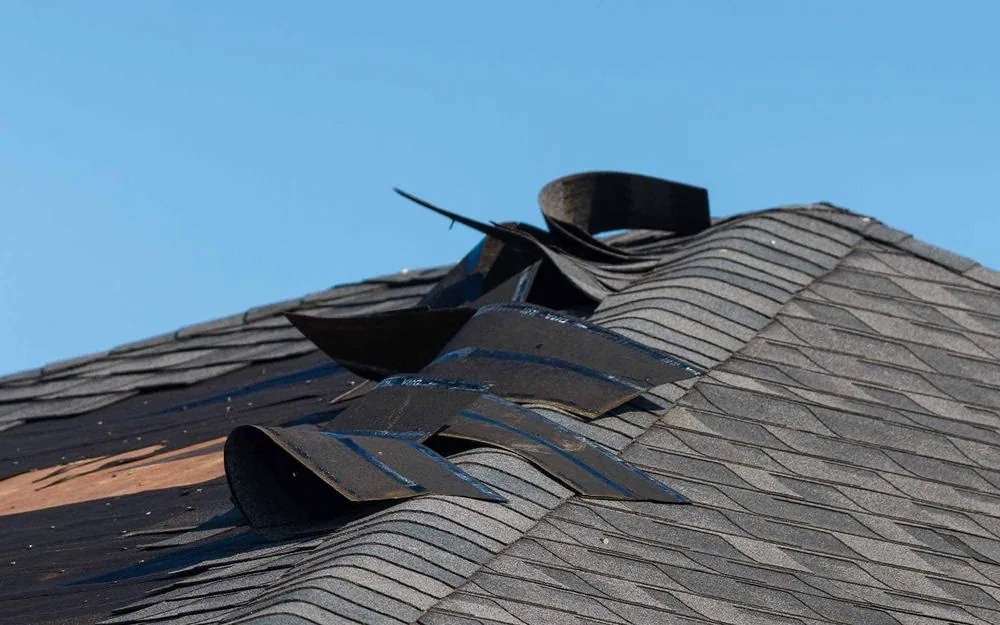
What goes wrong first on storm damage in Sherman Oaks corridor, and the signs that show up years ahead.
Understanding why something fails is more useful than a list of symptoms, because the same symptom has several causes and they need different work. Here is what actually goes wrong with storm damage in Sherman Oaks corridor, and what it looks like from the ground before it becomes a ceiling stain.
What actually goes wrong
Wind does not usually take a whole roof. It finds one lifted edge, one poorly fixed ridge or one loose flashing, and works from there. That is why post-storm damage so often looks minor from the ground and turns out not to be.
Why it happens when it does
The cause and the symptom are rarely in the same place. Water tracks, so an entry point and a ceiling stain can be several feet apart. Temporary protection has to be done in a way that does not cause its own damage. A tarp fixed through a sound part of the covering creates new holes in a roof that did not have them. Catching it at that stage is the difference between a repair and a replacement.
How Sherman Oaks corridor makes it worse
Along the Foothill corridor the buildings are largely commercial: big low-slope areas carrying rooftop plant, walked on regularly by trades who are not thinking about the membrane. Dust off the slopes settles on the surface and washes into the drainage with every storm. Older commercial stock with large low-slope areas, parapets, and equipment that needs servicing.
What we look at on an inspection
- Displaced, lifted or missing units, slope by slope
- Seal integrity on the windward elevation, checked by hand
- Ridge, hip and perimeter fixing after wind loading
- Impact marks, splits and any debris strike on the surface
- Flashing displacement at walls, chimneys and penetrations
- Gutters and downpipes for detachment and blockage
- Interior and attic inspection for water entry already in progress
Common questions
Can this be repaired or does it need replacing?
It depends whether the cause is localised or systemic. A failed penetration is a repair; a covering that has gone brittle across the whole roof is not.
How urgent is it?
Anything open before the rains is urgent. Anything cosmetic can wait for a dry-season schedule, which is also when it is cheaper.
The honest summary
Get it documented, get it protected without adding damage, then get it assessed properly. Those three things in that order account for most good storm outcomes. In Sherman Oaks corridor the thing to watch is membrane condition around the rooftop plant, parapet terminations, and every drain and scupper on the roof.
Free inspection, drone photography where access is difficult, and a written estimate with deck repair priced per sheet. No obligation.