
Water Stains: Roof Leak or Condensation? — Contractor Perspective
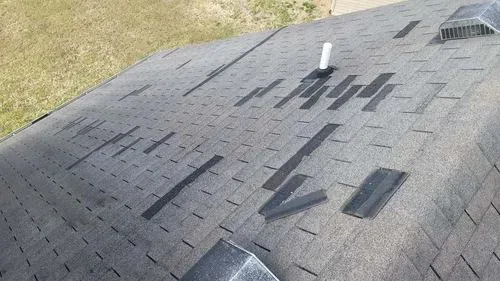
How to read an estimate for storm damage in Sherman Oaks corridor, and what to compare line by line.
Choosing a roofer is mostly a matter of reading estimates properly, which nobody teaches. For storm damage in Sherman Oaks corridor, this is what to compare and what to ignore.
What actually matters
Whether the damage is localised or systemic. A single displaced section is a repair; wind that has broken the seal on an entire slope is a different conversation, and telling the two apart requires getting on the roof.
The detail that is usually left out
Read the exclusions before the total. The cheapest quote and the best quote are occasionally the same document, and the exclusions are how you tell. Temporary protection has to be done in a way that does not cause its own damage. A tarp fixed through a sound part of the covering creates new holes in a roof that did not have them. Ask how it will be handled in writing, and the rest of the job tends to go the same way.
What is specific to Sherman Oaks corridor
Along the Foothill corridor the buildings are largely commercial: big low-slope areas carrying rooftop plant, walked on regularly by trades who are not thinking about the membrane. Dust off the slopes settles on the surface and washes into the drainage with every storm. Older commercial stock with large low-slope areas, parapets, and equipment that needs servicing.
What we look at before quoting
- Displaced, lifted or missing units, slope by slope
- Seal integrity on the windward elevation, checked by hand
- Ridge, hip and perimeter fixing after wind loading
- Impact marks, splits and any debris strike on the surface
- Flashing displacement at walls, chimneys and penetrations
- Gutters and downpipes for detachment and blockage
- Interior and attic inspection for water entry already in progress
Common questions
What should I check before signing?
Licence status, that the written scope matches what was discussed, and that deck repair is priced per sheet rather than left open.
Is a deposit normal?
A reasonable one is. What is not normal is a large payment before materials are on site, and California limits what can be asked for up front.
The honest summary
Get it documented, get it protected without adding damage, then get it assessed properly. Those three things in that order account for most good storm outcomes. In Sherman Oaks corridor the thing to watch is membrane condition around the rooftop plant, parapet terminations, and every drain and scupper on the roof.
Free inspection, drone photography where access is difficult, and a written estimate with deck repair priced per sheet. No obligation.