
Timelines: How Long a Roof Claim Takes — A Practical Guide
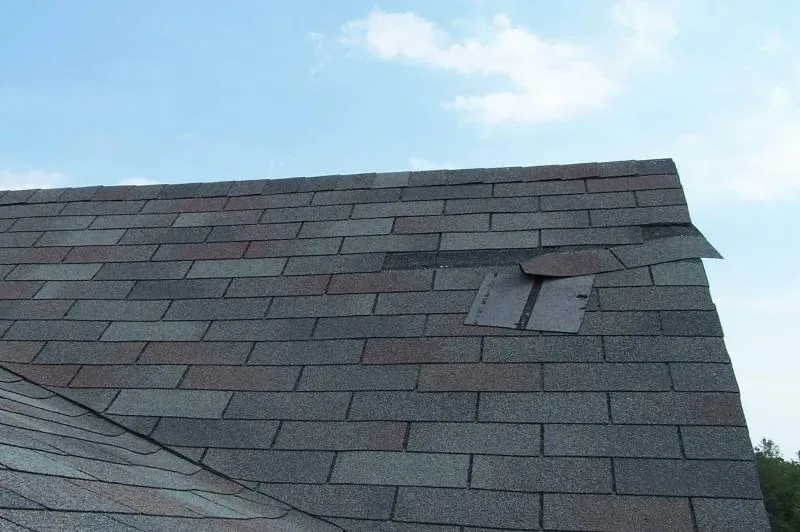
What has to be documented on a roof insurance claim in Sherman Oaks corridor before you call a carrier, instead of by supplement later.
An insurance claim on a roof insurance claim is won or lost on documentation, not on argument. In Sherman Oaks corridor, this is what needs to exist before anybody calls a carrier.
What actually matters
A claim is a documentation exercise before it is a roofing one. The roof condition is a fact; whether it is a covered fact depends entirely on what can be evidenced. For a claim that means the damage has to be described in terms of the system, not the surface.
Where claims go wrong
Claims are lost on scope far more often than on liability. Every affected element needs identifying at the start, because adding it later means a supplement and fresh evidence. Photographs with dates, taken before anything is touched, are worth more than any amount of subsequent explanation. Wide shots to establish the property, then close shots of each individual item of damage. Almost every difficult claim we see went wrong in the first week.
What is specific to Sherman Oaks corridor
Along the Foothill corridor the buildings are largely commercial: big low-slope areas carrying rooftop plant, walked on regularly by trades who are not thinking about the membrane. Dust off the slopes settles on the surface and washes into the drainage with every storm. Older commercial stock with large low-slope areas, parapets, and equipment that needs servicing.
What we look at on an inspection
- Date and details of the weather event being claimed against
- Photographs taken before any temporary repair was carried out
- Every affected element identified, not only the obvious one
- Interior damage documented alongside the roof itself
- Policy deadlines for reporting and for supporting documentation
- Deductible and any applicable percentage clause
- Whether the policy settles on replacement cost or actual cash value
Common questions
What is a supplement?
A request to add scope that was not visible at the first assessment. They are normal, and they need the same photographic evidence as the original claim.
Why do claims get denied?
Most often because the damage cannot be tied to a dated event, so it reads as wear and tear. Wear and tear is not covered by any policy.
The honest summary
Document first, repair second, and make sure the scope is complete before anybody agrees to anything. Almost every difficult claim we see went wrong in the first week. In Sherman Oaks corridor the thing to watch is membrane condition around the rooftop plant, parapet terminations, and every drain and scupper on the roof.
Free inspection, drone photography where access is difficult, and a written estimate with deck repair priced per sheet. No obligation.