
The Los Angeles Annual Roof Inspection Checklist
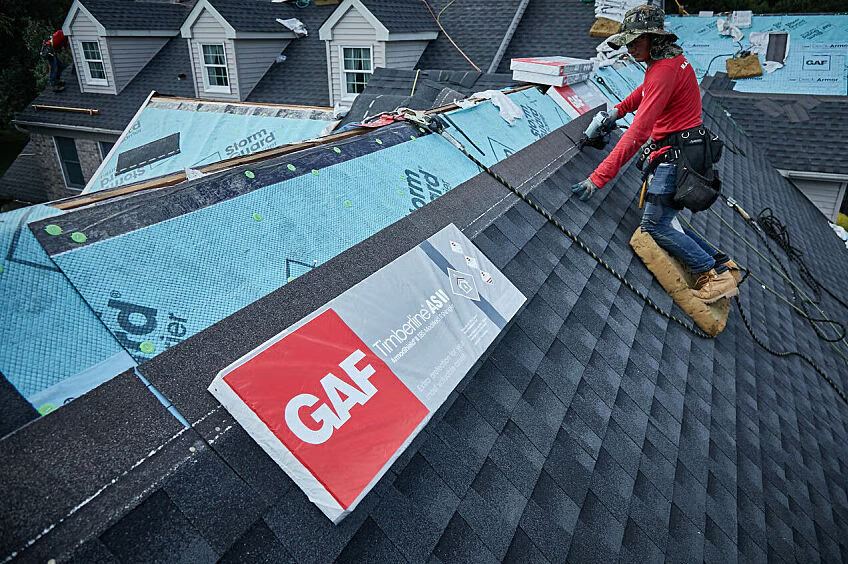
What a real inspection covers on roof maintenance in Laurel Canyon, and what usually gets skipped.
Knowing what to look at turns a vague worry into either a short list or an early night. Most of this can be done from the ground with binoculars and from inside the attic with a torch — no ladder, no risk, and it tells you whether to call anyone.
What actually matters
Most of what shortens a roof in Los Angeles is preventable with an hour of attention twice a year. Not repairs — attention. Clearing drainage before the rains, resealing penetrations before they open, and keeping tree overhang off the covering are the three that matter most, and none of them needs a contractor.
What you can check yourself
Sealant is the shortest-lived thing on any roof. The mastic around a vent boot or a chimney flashing has a service life measured in single-figure years under this sun, and when it goes it goes quietly — a hairline gap that takes water only in a driven storm. Checking and renewing it is cheap and it prevents the failures that arrive as ceiling stains. Attic ventilation is the other overlooked item: intake and exhaust have to balance, and a blocked soffit makes an attic hot enough to age the covering from beneath.
What is specific to Los Angeles
Debris builds through eight or nine dry months and then the first storm finds every blockage at once. That is the whole maintenance calendar in this city: clear everything in October or November, and check it again after the first real rain to see what moved.
The full inspection list
- Attic ventilation, intake and exhaust in balance
- Covering condition on every slope, including the ones not visible from the street
- Flashing at chimneys, skylights and wall abutments
- Sherman Oaks debris and any vegetation taking hold
- Gutter and downspout capacity and fixing
- Sealant at every penetration
- Tree overhang, which abrades the covering and drops debris
Common questions
How often should I check?
Twice a year — before the rains and after the first real storm — plus once after any significant wind event.
Do I need to get on the roof?
No, and preferably not. Binoculars from the ground and a torch in the attic find most of it, and walking a roof causes damage of its own, particularly on tile.
The honest summary
An annual inspection costs nothing with us and usually ends with a short list rather than a quote. That is the point of it — a roof caught early is a repair, and the same roof caught late is a replacement.
Free inspection, drone photography where access is difficult, and a written estimate with deck repair priced per sheet. No obligation.