
Solar Panels and Roof Maintenance in the Lankershim corridor (Part 2)
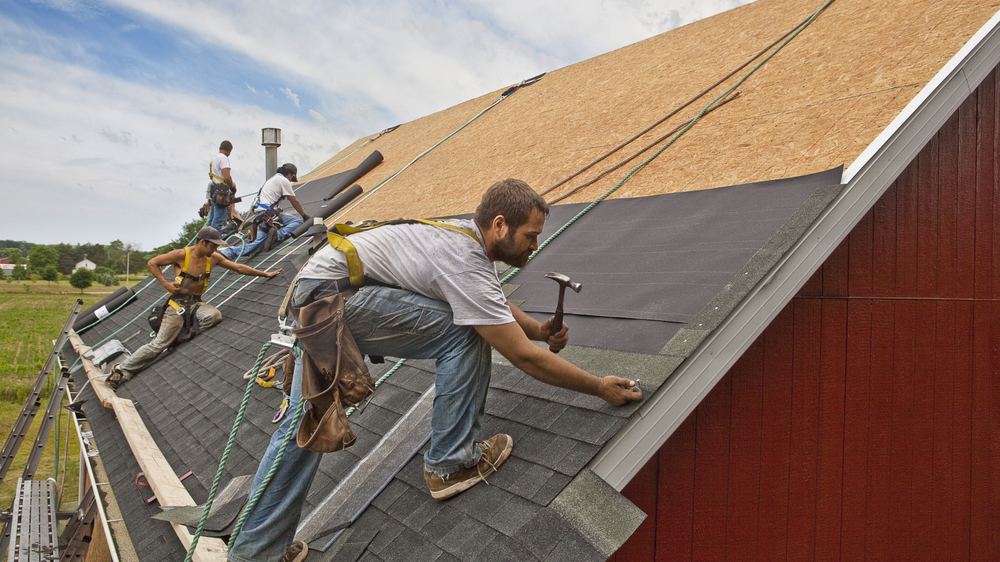
The short list that adds years to roof maintenance in the Lankershim corridor, and what it saves later.
Most of what extends a roof's life costs very little and takes an afternoon. For roof maintenance in the Lankershim corridor, here is the short list that actually changes the outcome.
What actually matters
Maintenance is not repair. It is the set of small checks that stop a fifty-dollar problem becoming a fifteen-thousand-dollar one, and its value is measured in the calls that never get made. Maintenance on it is therefore about the parts that move, drain or seal, not the parts that merely look worn.
The detail that is usually left out
Timing matters more than frequency. One visit in late autumn, before the first rain, catches the things that actually matter. Timing matters more than frequency. One visit in late autumn, before the rains arrive, is worth more than three spread randomly across the year. None of it is complicated, and all of it is cheaper than the call it prevents.
What is specific to the Lankershim corridor
Along the Foothill corridor the buildings are largely commercial: big low-slope areas carrying rooftop plant, walked on regularly by trades who are not thinking about the membrane. Dust off the slopes settles on the surface and washes into the drainage with every storm. Older commercial stock with large low-slope areas, parapets, and equipment that needs servicing.
The full inspection list
- Gutters, valleys and drainage cleared and flowing
- Sealant condition at every penetration and transition
- Slipped, broken or missing units across the field
- Flashing and counterflashing at walls and chimneys
- Tree overhang and any branch making contact with the surface
- Ventilation openings clear and unobstructed
- Interior ceiling and attic check for early staining
Common questions
Does maintenance actually delay replacement?
Measurably. Debris, blocked drainage and unrenewed sealant are responsible for a large share of the roofs we replace earlier than we should have to.
How often should this be looked at?
Twice a year is ideal, and once is enough if you pick the right time: late autumn, before the first rain, catches the things that matter.
The honest summary
Nothing on a roof stays fixed by itself. An hour of attention before the rains prevents most of what would otherwise become an emergency in December. In the Lankershim corridor the thing to watch is membrane condition around the rooftop plant, parapet terminations, and every drain and scupper on the roof.
Free inspection, drone photography where access is difficult, and a written estimate with deck repair priced per sheet. No obligation.