
Post-Storm Roof Walk: What to Look For — Materials Compared
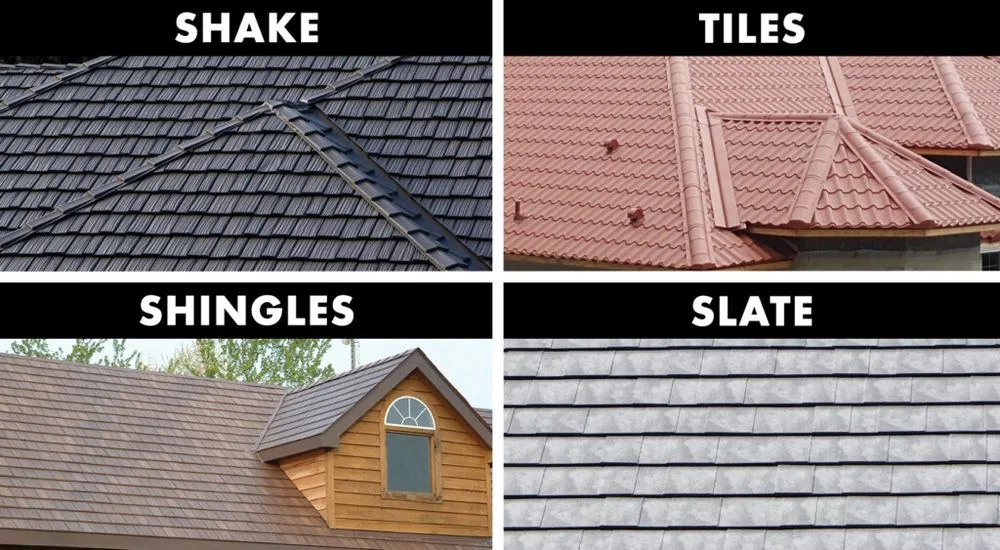
What to do about roof maintenance in Sherman Oaks in the first forty-eight hours, and what to leave until Monday.
After a storm the useful work happens in the first two days, and most of it is documentation rather than repair. This is what to do about roof maintenance in Sherman Oaks once the wind drops.
What actually matters
Roofs in this climate do not usually fail from one dramatic event. They fail from debris nobody cleared, a sealant nobody renewed and a slipped tile nobody replaced, compounding quietly across several dry years until the first real storm finds all three at once.
What to do in the first forty-eight hours
Document before you touch anything: wide photographs to establish the property, then close photographs of each item of damage, all dated. Timing matters more than frequency. One visit in late autumn, before the rains arrive, is worth more than three spread randomly across the year. A tarp fixed through sound covering creates damage that was not there before.
How Sherman Oaks changes the answer
Summer is the problem here. Sherman Oaks sits inland at the foot of the mountains with nothing to moderate it, so a roof surface that reads ninety degrees at the coast is well past a hundred and fifty on Foothill by mid-afternoon, and it holds that heat for weeks. Everything on the roof expands into it and contracts again overnight, and that daily movement, not the peak temperature, is what opens laps and backs fasteners out. Much of Sherman Oaks went up between the 1950s and the 1970s, which usually means original decking, ventilation that was never sized for this much heat, and often a layer somebody roofed straight over rather than tearing off.
What we look at on an inspection
- Gutters, valleys and drainage cleared and flowing
- Sealant condition at every penetration and transition
- Slipped, broken or missing units across the field
- Flashing and counterflashing at walls and chimneys
- Tree overhang and any branch making contact with the surface
- Ventilation openings clear and unobstructed
- Interior ceiling and attic check for early staining
Common questions
Should I get a tarp on it straight away?
Only once it is photographed, and only if it can be fixed without putting new holes through sound covering. A badly fixed tarp creates damage that was not there before.
How soon do I need to report it?
Check your policy, because most impose a reporting window. Reporting early costs nothing and protects the claim.
The honest summary
Nothing on a roof stays fixed by itself. An hour of attention before the rains prevents most of what would otherwise become an emergency in December. In Sherman Oaks the thing to watch is attic temperature and intake ventilation, because a Sherman Oaks attic that cannot breathe cooks the underside of the roof as hard as the sun cooks the top.
Free inspection, drone photography where access is difficult, and a written estimate with deck repair priced per sheet. No obligation.