
Nail Pops and What They Signal — Myths and Facts
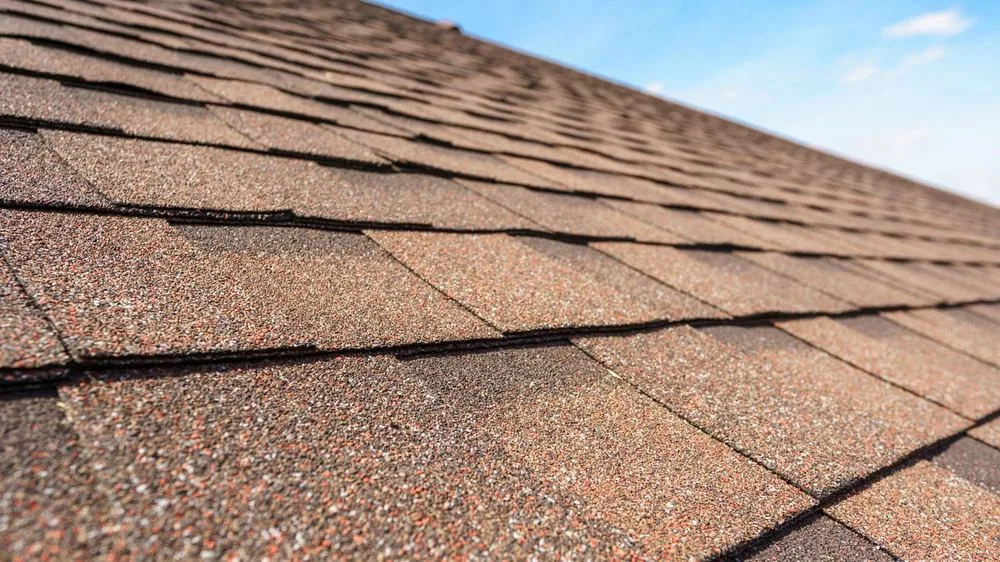
What to do about an asphalt shingle roof in Sherman Oaks corridor in the first forty-eight hours, and what to leave until Monday.
After a storm the useful work happens in the first two days, and most of it is documentation rather than repair. This is what to do about an asphalt shingle roof in Sherman Oaks corridor once the wind drops.
What actually matters
Asphalt ages from the top down. The granules on the surface are the sunscreen; once ultraviolet has stripped enough of them the mat underneath goes brittle, curls at the edges and starts to crack. Granules in the gutter are the earliest honest signal, and they show up years before a leak does.
What to do in the first forty-eight hours
Document before you touch anything: wide photographs to establish the property, then close photographs of each item of damage, all dated. The starter course and the drip edge are where cheap work shows first. A starter strip laid the wrong way round, or an eave with no metal under the first course, will wick water back into the fascia no matter how good the shingles above it are. A tarp fixed through sound covering creates damage that was not there before.
How Sherman Oaks corridor changes the answer
Along the Foothill corridor the buildings are largely commercial: big low-slope areas carrying rooftop plant, walked on regularly by trades who are not thinking about the membrane. Dust off the slopes settles on the surface and washes into the drainage with every storm. Older commercial stock with large low-slope areas, parapets, and equipment that needs servicing.
What we look at on an inspection
- Granule loss across the field, and how much is sitting in the gutters
- Curling, cupping or cracking, particularly on the sun-facing slopes
- Nail placement and whether shingles have begun to back off the deck
- Sherman Oaks construction, and whether it is woven, closed-cut or metal-lined
- Flashing at every wall, chimney, skylight and pipe penetration
- Deck condition underfoot, checked by walking rather than by eye
- Attic ventilation, both intake at the eave and exhaust at the ridge
Common questions
Should I get a tarp on it straight away?
Only once it is photographed, and only if it can be fixed without putting new holes through sound covering. A badly fixed tarp creates damage that was not there before.
How soon do I need to report it?
Check your policy, because most impose a reporting window. Reporting early costs nothing and protects the claim.
The honest summary
Shingle roofs rarely fail suddenly. They give years of warning through granule loss and edge curl, and the difference between a planned replacement and an emergency one is usually whether anybody was looking. In Sherman Oaks corridor the thing to watch is membrane condition around the rooftop plant, parapet terminations, and every drain and scupper on the roof.
Free inspection, drone photography where access is difficult, and a written estimate with deck repair priced per sheet. No obligation.