
Mortar Failure at Hips and Ridges — Homeowner Checklist
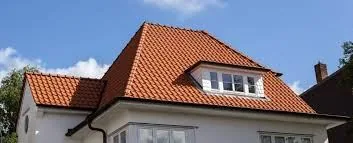
The short list that adds years to a tile roof in Sherman Oaks, and the jobs that are pure theatre.
Roof maintenance in Sherman Oaks is not complicated, but it is specific, and the parts people skip are the parts that matter. This is what is worth doing on a tile roof, and what is safe to leave alone.
What actually matters
The tile is not what keeps water out. The tile is a rain screen and a sunshade; the underlayment beneath it is the actual waterproofing, and it is the part with the shorter life. Maintenance on it is therefore about the parts that move, drain or seal, not the parts that merely look worn.
The detail that is usually left out
Timing matters more than frequency. One visit in late autumn, before the first rain, catches the things that actually matter. Bird stops, eave closures and the mortar at the ridge are what most quotes leave out. Leave them off and you have an open roof edge that invites nesting, debris and, in the fire zones, embers. None of it is complicated, and all of it is cheaper than the call it prevents.
What is specific to Sherman Oaks
Summer is the problem here. Sherman Oaks sits inland at the foot of the mountains with nothing to moderate it, so a roof surface that reads ninety degrees at the coast is well past a hundred and fifty on Foothill by mid-afternoon, and it holds that heat for weeks. Everything on the roof expands into it and contracts again overnight, and that daily movement, not the peak temperature, is what opens laps and backs fasteners out. Much of Sherman Oaks went up between the 1950s and the 1970s, which usually means original decking, ventilation that was never sized for this much heat, and often a layer somebody roofed straight over rather than tearing off.
The full inspection list
- Underlayment age and condition, checked by lifting tile rather than guessing
- Broken, slipped and previously face-nailed tiles across the field
- Batten condition and fixing, particularly at the eave course
- Sherman Oaks metal, which usually corrodes before the underlayment fails
- Ridge and hip mortar or mechanical fixing, and any movement in it
- Bird stops and eave closures, present and intact
- Flashing at walls, chimneys and every penetration through the field
Common questions
How often should this be looked at?
Twice a year is ideal, and once is enough if you pick the right time: late autumn, before the first rain, catches the things that matter.
Can I do any of it myself?
The ground-level checks, yes. Anything that requires being on the roof is worth handing over, both for your safety and because damage caused by walking on a roof is a common and avoidable expense.
The honest summary
Judge a tile roof by its underlayment, not its tile. A roof that looks flawless from the driveway can be two winters from a ceiling repair, and the only way to know is to lift a few tiles and look. In Sherman Oaks the thing to watch is attic temperature and intake ventilation, because a Sherman Oaks attic that cannot breathe cooks the underside of the roof as hard as the sun cooks the top.
Free inspection, drone photography where access is difficult, and a written estimate with deck repair priced per sheet. No obligation.
More on Tile Roofing
- What a Tile Re-Felt Costs in LA — Seasonal GuideTile Roofing
- What a Tile Re-Felt Costs in Sherman OaksTile Roofing
- What a Tile Re-Felt Costs in LATile Roofing