
Hail in Los Angeles: Rare but Real — Signs to Watch
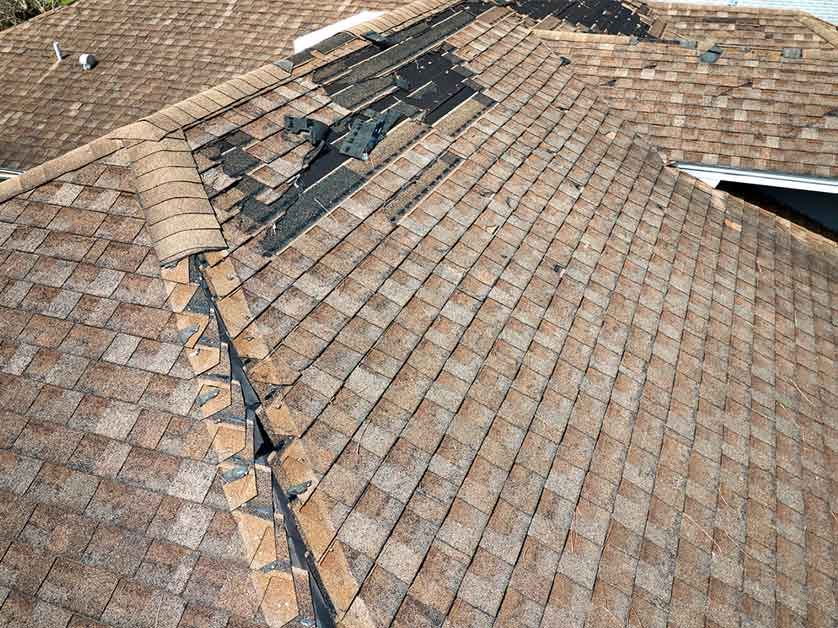
What to do about storm damage in the Lankershim corridor in the first forty-eight hours, and what not to touch first.
After a storm the useful work happens in the first two days, and most of it is documentation rather than repair. This is what to do about storm damage in the Lankershim corridor once the wind drops.
What actually matters
Wind does not usually take a whole roof. It finds one lifted edge, one poorly fixed ridge or one loose flashing, and works from there. That is why post-storm damage so often looks minor from the ground and turns out not to be.
What to do in the first forty-eight hours
Document before you touch anything: wide photographs to establish the property, then close photographs of each item of damage, all dated. Temporary protection has to be done in a way that does not cause its own damage. A tarp fixed through a sound part of the covering creates new holes in a roof that did not have them. A tarp fixed through sound covering creates damage that was not there before.
How the Lankershim corridor changes the answer
Along the Foothill corridor the buildings are largely commercial: big low-slope areas carrying rooftop plant, walked on regularly by trades who are not thinking about the membrane. Dust off the slopes settles on the surface and washes into the drainage with every storm. Older commercial stock with large low-slope areas, parapets, and equipment that needs servicing.
What we look at on an inspection
- Displaced, lifted or missing units, slope by slope
- Seal integrity on the windward elevation, checked by hand
- Ridge, hip and perimeter fixing after wind loading
- Impact marks, splits and any debris strike on the surface
- Flashing displacement at walls, chimneys and penetrations
- Gutters and downpipes for detachment and blockage
- Interior and attic inspection for water entry already in progress
Common questions
How soon do I need to report it?
Check your policy, because most impose a reporting window. Reporting early costs nothing and protects the claim.
The damage looks minor. Is it?
Possibly not. Wind damage frequently looks trivial from the ground and turns out to have broken the seal across an entire elevation.
The honest summary
Get it documented, get it protected without adding damage, then get it assessed properly. Those three things in that order account for most good storm outcomes. In the Lankershim corridor the thing to watch is membrane condition around the rooftop plant, parapet terminations, and every drain and scupper on the roof.
Free inspection, drone photography where access is difficult, and a written estimate with deck repair priced per sheet. No obligation.