
Documenting Storm Damage for a Claim — The Short Answer
What has to be documented on storm damage in Sherman Oaks before you call a carrier, and in what order.
Insurance work rewards preparation and punishes improvisation. What follows is what carries weight with an adjuster and what does not, in the order it matters.
What actually matters
After a storm the damage is rarely where people first look for it. Interior stains appear days later and often some distance from the entry point, because water travels along a rafter before it finds somewhere to drop.
What carries weight with an adjuster
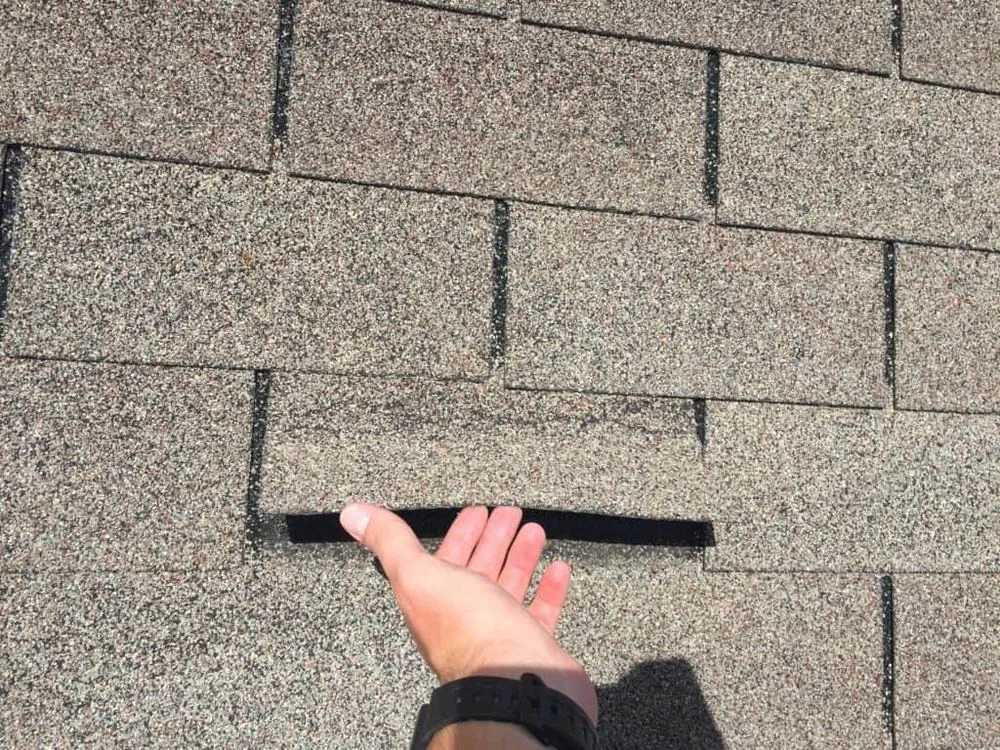
The things worth looking for from the ground are lifted or missing material along ridges and leading edges, displaced flashing, and granules collecting at downspout outlets. A shingle that has been lifted and dropped back looks intact from below and has broken its seal — it will lift again in the next wind. If a roof is open, tarping properly and returning to repair once the deck has dried is the right sequence; repairing onto wet sheathing traps the moisture and causes a second failure a year later.
What is specific to Los Angeles
Sherman Oaks winds come from the north-east, against the lap of most roofs, so uplift damage concentrates on slopes that look sheltered from the street. The first storm of the season also does disproportionate damage, because it lands on eight months of accumulated debris and blocked drainage rather than on a clear roof.
What we document
- Ridge and hip cap security along the full run
- Leading edge adhesion, course by course
- Flashing displacement at every transition
- Debris impact marks and where the debris came from
- Sherman Oaks and drainage blockage
- Interior evidence traced back to source rather than treated where it shows
Common questions
Should I file a claim?
Only if the damage is from an event and is worth more than the deductible. A denied claim still sits on the record.
Do I need a public adjuster?
Rarely on a straightforward roof claim. On a large or disputed one they can be worth the percentage.
The honest summary
Emergency tarping is a holding measure and should be described as one. Anybody presenting a tarp as a repair, or asking for a full replacement signature while the ceiling is still dripping, is working the situation rather than the roof.
Free inspection, drone photography where access is difficult, and a written estimate with deck repair priced per sheet. No obligation.