
Coating Over Wet Insulation: Do Not — Maintenance in the Lankershim corridor
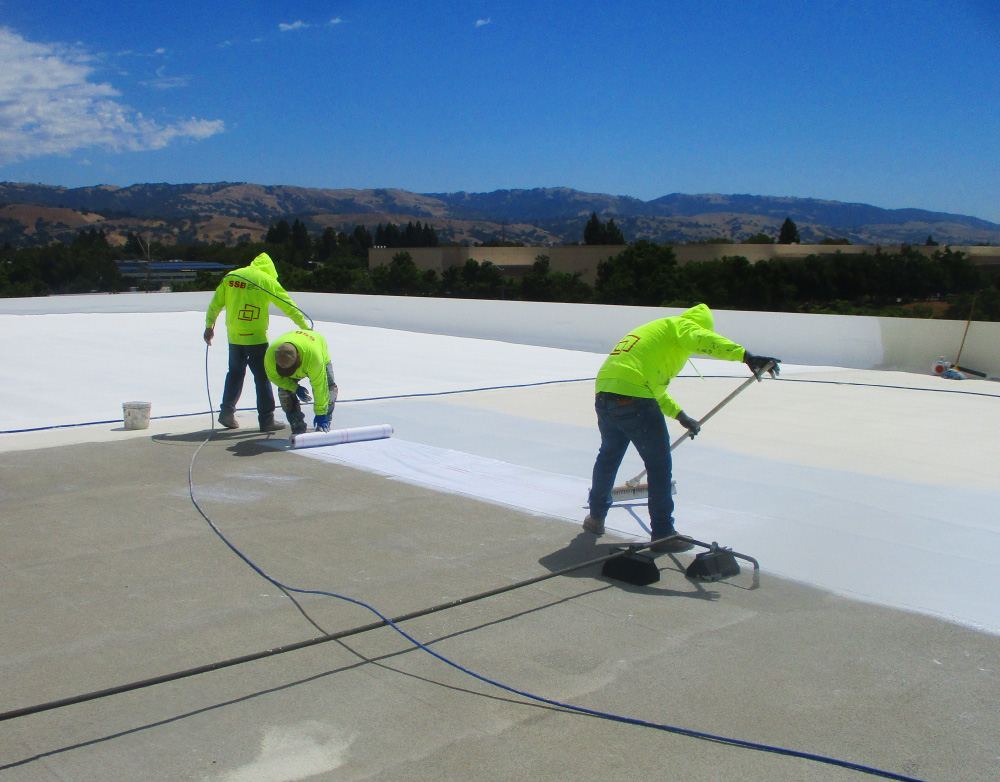
The short list that adds years to a roof coating in the Lankershim corridor, and what can safely wait.
Roof maintenance in the Lankershim corridor is not complicated, but it is specific, and the parts people skip are the parts that matter. This is what is worth doing on a roof coating, and what is safe to leave alone.
What actually matters
A coating is a renewal of a roof that still works, not a repair of one that does not. Applied to the right substrate it can add years for a fraction of a tear-off; applied to the wrong one it seals a problem inside. Maintenance on it is therefore about the parts that move, drain or seal, not the parts that merely look worn.
The detail that is usually left out
Timing matters more than frequency. One visit in late autumn, before the first rain, catches the things that actually matter. Wet film thickness is the number that matters. It is measured during application with a simple gauge, and it is the only way to know the roof is getting the millage that was quoted rather than a thinner coat spread further. None of it is complicated, and all of it is cheaper than the call it prevents.
What is specific to the Lankershim corridor
Along the Foothill corridor the buildings are largely commercial: big low-slope areas carrying rooftop plant, walked on regularly by trades who are not thinking about the membrane. Dust off the slopes settles on the surface and washes into the drainage with every storm. Older commercial stock with large low-slope areas, parapets, and equipment that needs servicing.
The full inspection list
- Substrate moisture, established before anything is quoted
- Adhesion, confirmed by test patch rather than assumed
- Surface contamination, chalking and existing coating compatibility
- Seam and penetration reinforcement requirements across the roof
- Ponding areas, which need drainage correction before coating
- Wet film thickness recorded during application
- Manufacturer specification for the substrate actually present
Common questions
Can I do any of it myself?
The ground-level checks, yes. Anything that requires being on the roof is worth handing over, both for your safety and because damage caused by walking on a roof is a common and avoidable expense.
Does maintenance actually delay replacement?
Measurably. Debris, blocked drainage and unrenewed sealant are responsible for a large share of the roofs we replace earlier than we should have to.
The honest summary
A coating over a sound, dry, properly prepared roof is one of the best-value things available. Over wet insulation it is money spent trapping the problem where nobody can see it. In the Lankershim corridor the thing to watch is membrane condition around the rooftop plant, parapet terminations, and every drain and scupper on the roof.
Free inspection, drone photography where access is difficult, and a written estimate with deck repair priced per sheet. No obligation.
More on Roof Coating
- Coating Over Wet Insulation: Do Not — Inspection in Ventura Boulevard corridorRoof Coating
- Coating Over Wet Insulation: Do Not — Lifespan in the Lankershim corridorRoof Coating
- Coating Over Wet Insulation: Do Not: The Lankershim corridor EditionRoof Coating
- Coating Over Wet Insulation: Do Not in EncinoRoof Coating