
Bird Stops and Eave Closures Explained — Signs to Watch
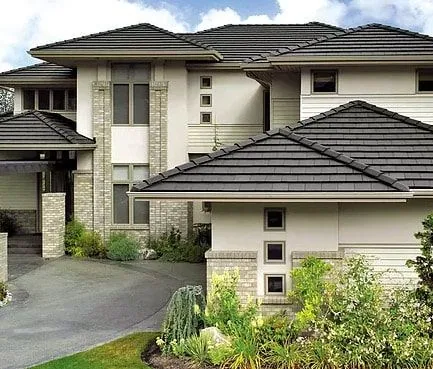
What you can check on a tile roof in Sherman Oaks from the ground, safely, in ten minutes.
You can learn a lot about a roof without going anywhere near it, and none of the checks worth doing require climbing. This is what to look at on a tile roof in Sherman Oaks, safely, from the ground.
What you can check yourself
The tile is not what keeps water out. The tile is a rain screen and a sunshade; the underlayment beneath it is the actual waterproofing, and it is the part with the shorter life.
What to leave alone
Stay on the ground and use the attic. Binoculars from the driveway and a torch in the roof space find nearly everything worth finding. Bird stops, eave closures and the mortar at the ridge are what most quotes leave out. Leave them off and you have an open roof edge that invites nesting, debris and, in the fire zones, embers. As soon as you find something you cannot explain, stop looking and get it assessed.
What is specific to Sherman Oaks
Pacoima sits on the flat below Sherman Oaks, where the ground is level, the summers are long and hot, and Sherman Oaks wind runs straight through with nothing to slow it. Those wind events are the single most common reason we get storm calls out of this area. Older single-storey stock alongside newer infill, and the failure patterns on each have almost nothing in common.
What we look at on an inspection
- Underlayment age and condition, checked by lifting tile rather than guessing
- Broken, slipped and previously face-nailed tiles across the field
- Batten condition and fixing, particularly at the eave course
- Sherman Oaks metal, which usually corrodes before the underlayment fails
- Ridge and hip mortar or mechanical fixing, and any movement in it
- Bird stops and eave closures, present and intact
- Flashing at walls, chimneys and every penetration through the field
Common questions
Is it safe to get on my own roof?
Generally no, and it is worth being blunt about it. Falls are the most common serious injury in this trade, and walking on a roof can damage the covering.
What can I check from inside?
A great deal. The attic shows staining, daylight through the deck and ventilation problems long before anything appears on a ceiling.
The honest summary
Judge a tile roof by its underlayment, not its tile. A roof that looks flawless from the driveway can be two winters from a ceiling repair, and the only way to know is to lift a few tiles and look. In Sherman Oaks the thing to watch is wind-side edge detail, ridge fixing, and how much the drainage is carrying.
Free inspection, drone photography where access is difficult, and a written estimate with deck repair priced per sheet. No obligation.
More on Tile Roofing
- Spanish Revival Roofs: Restoring Without Ruining — The Short AnswerTile Roofing
- Walking a Tile Roof Without Breaking It — Contractor PerspectiveTile Roofing
- What a Tile Re-Felt Costs in Sherman Oaks — Common MistakesTile Roofing
- Matching Discontinued Tile Profiles in Sherman Oaks — What to ExpectTile Roofing