
Bird Stops and Eave Closures Explained — Questions to Ask
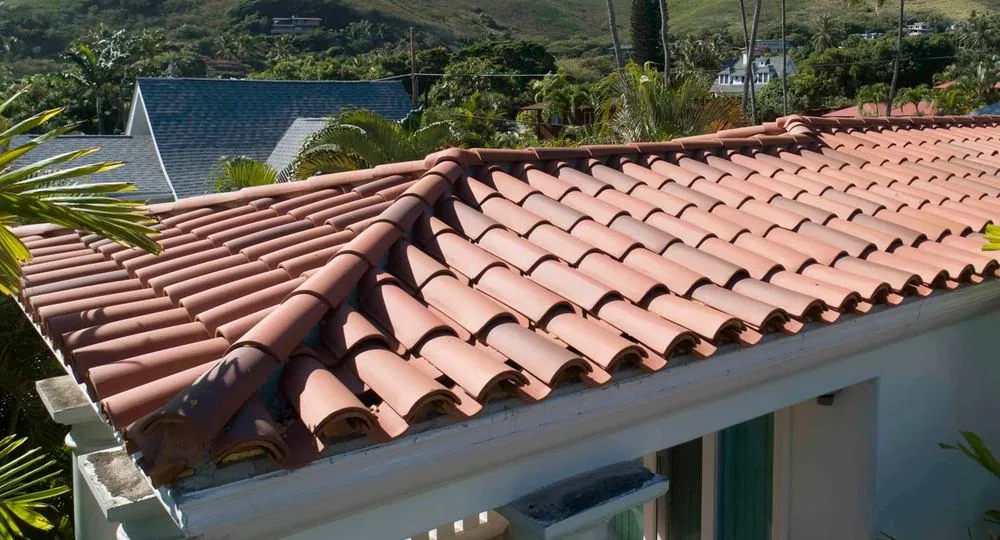
What has to be documented on a tile roof in Sherman Oaks corridor before you call a carrier, and in what order.
An insurance claim on a tile roof is won or lost on documentation, not on argument. In Sherman Oaks corridor, this is what needs to exist before anybody calls a carrier.
What actually matters
The tile is not what keeps water out. The tile is a rain screen and a sunshade; the underlayment beneath it is the actual waterproofing, and it is the part with the shorter life. For a claim that means the damage has to be described in terms of the system, not the surface.
Where claims go wrong
Claims are lost on scope far more often than on liability. Every affected element needs identifying at the start, because adding it later means a supplement and fresh evidence. Bird stops, eave closures and the mortar at the ridge are what most quotes leave out. Leave them off and you have an open roof edge that invites nesting, debris and, in the fire zones, embers. Almost every difficult claim we see went wrong in the first week.
What is specific to Sherman Oaks corridor
Along the Foothill corridor the buildings are largely commercial: big low-slope areas carrying rooftop plant, walked on regularly by trades who are not thinking about the membrane. Dust off the slopes settles on the surface and washes into the drainage with every storm. Older commercial stock with large low-slope areas, parapets, and equipment that needs servicing.
What we look at on an inspection
- Underlayment age and condition, checked by lifting tile rather than guessing
- Broken, slipped and previously face-nailed tiles across the field
- Batten condition and fixing, particularly at the eave course
- Sherman Oaks metal, which usually corrodes before the underlayment fails
- Ridge and hip mortar or mechanical fixing, and any movement in it
- Bird stops and eave closures, present and intact
- Flashing at walls, chimneys and every penetration through the field
Common questions
Why do claims get denied?
Most often because the damage cannot be tied to a dated event, so it reads as wear and tear. Wear and tear is not covered by any policy.
Should I get my own assessment as well?
It helps. An itemised independent scope gives you something concrete to discuss if the initial approval misses elements.
The honest summary
Judge a tile roof by its underlayment, not its tile. A roof that looks flawless from the driveway can be two winters from a ceiling repair, and the only way to know is to lift a few tiles and look. In Sherman Oaks corridor the thing to watch is membrane condition around the rooftop plant, parapet terminations, and every drain and scupper on the roof.
Free inspection, drone photography where access is difficult, and a written estimate with deck repair priced per sheet. No obligation.